
ABOUT :
Level 2 Award for Door Supervisors in the Private Security Industry
Our Door Supervisor Training Course is designed for anyone looking to start a career in the private security industry. This nationally recognised qualification allows you to apply for an SIA Door Supervisor Licence, which is a legal requirement to work in security roles across the UK.
Whether you want to work in licensed venues, retail security, corporate buildings, or event security, this course will give you the skills, knowledge, and confidence .
✅ Entry requirements:
You must be 18 years or older.
You must have a valid Emergency First Aid at Work (EFAW) certificate (or equivalent).
You should have a basic level of English (speaking, reading, writing, listening).
You must be eligible to work in the UK.
✅ Course benefits:
Approved by the Security Industry Authority (SIA).
Taught by qualified, experienced trainers from the security industry.
Covers both theory and practical skills, including real-life scenarios.
On successful completion, you can apply for your SIA Door Supervisor Licence and begin working in security..
Leading Provider of Security Training
At corpsprotection we provide a leading door supervisor course that equips you with all the necessary skills and knowledge.
Our center focuses on elevating your professionalism and understanding of safe security practices.
Enhance your career with our specialized training.
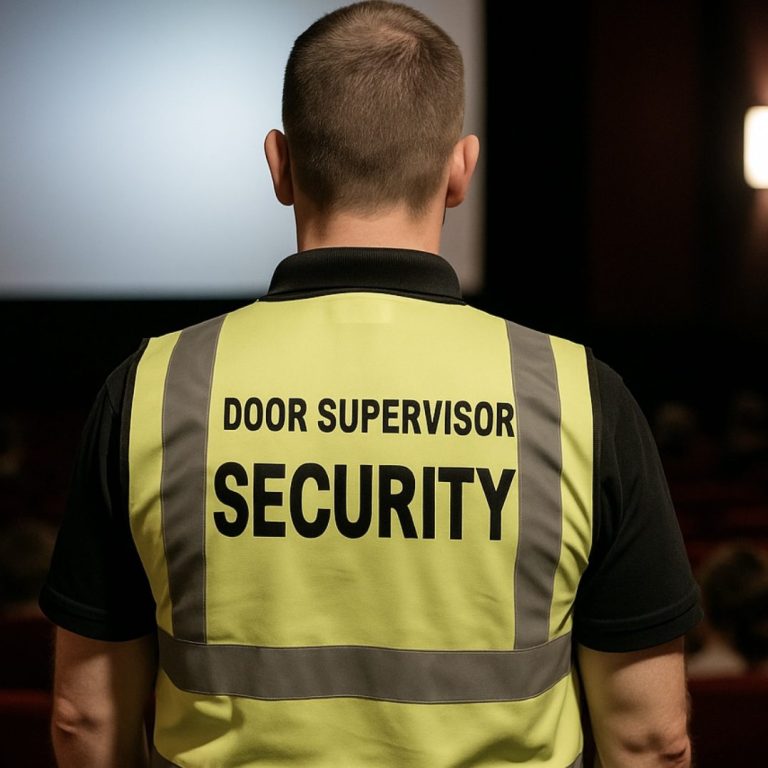
What Topics Are Covered
Our Door Supervisor Course is divided into several key units designed to give you both the knowledge and practical skills needed to work safely and legally in the security industry.
🔑 Units you will study:
Working in the Private Security Industry
Roles and responsibilities
Health & safety for security staff
Emergency procedures
Effective communication
Working as a Door Supervisor
Responsibilities at licensed premises
Searching people safely
Arrest procedures and powers
Drugs misuse awareness
Conflict Management
Recognising and defusing conflict
Effective communication and negotiation
Assessing risk and keeping situations under control
Protecting yourself and others
Physical Intervention Skills
Safe and legal restraint techniques
Escorting and removing individuals safely
Minimising risk of injury
Understanding the law around physical intervention
Counter-Terrorism Awareness (mandatory since 2021)
Identifying potential threats
Procedures in the event of a terror-related incident